How to Choose the Right Dimensions for Your Custom Process Hopper
Understanding Custom Process Hoppers
What are Custom Process Hoppers?
Custom process hoppers serve as essential components in various manufacturing and warehousing operations. These structures facilitate the storage and transfer of bulk materials, ensuring efficient flow and easy access. Businesses often tailor hoppers to suit specific needs, whether handling recyclables, concrete, scrap metal, or other bulk materials. The design and dimensions of a custom process hopper can significantly impact operational efficiency and productivity. Therefore, understanding their function and design is crucial for any company involved in manufacturing or material handling.
Key Features of Custom Process Hoppers
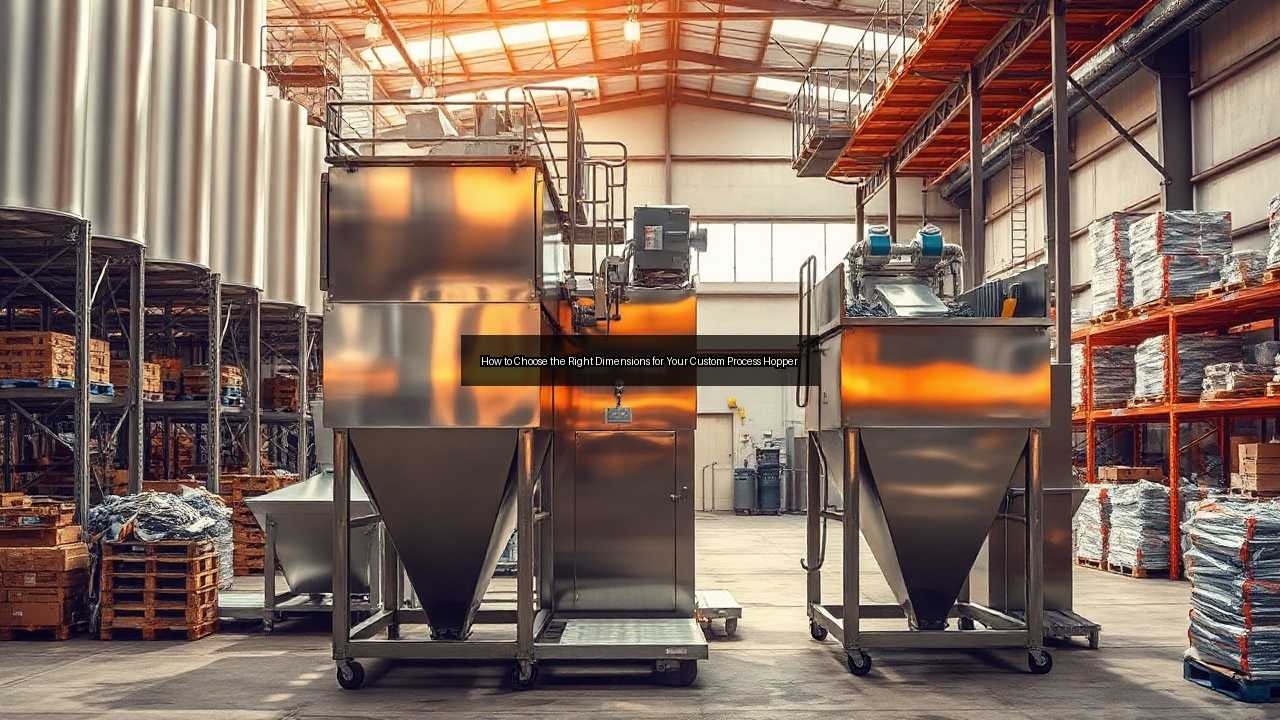
Custom process hoppers come equipped with several key features that enhance their utility. One of the most important aspects is the hopper's cone design, which promotes efficient flow by reducing clogs and facilitating the smooth transition of materials. A well-designed hopper provides ample capacity while maintaining a compact footprint, essential for optimizing space in warehouses or manufacturing facilities. Additional features may include adjustable gates for controlled material flow, various outlet sizes, and customizable heights to fit seamlessly into existing conveyor systems. These features collectively contribute to improved safety and operational efficiency.
Common Materials Used in Fabrication
Fabrication of custom process hoppers often involves materials like stainless steel and sheet metal, chosen for their durability and resistance to corrosion. Stainless steel hoppers offer superior longevity, making them ideal for handling abrasive materials or in environments where hygiene is paramount, such as food processing. Sheet metal hoppers, while potentially less durable, can be a cost-effective solution for less demanding applications. The choice of material not only affects the hopper's lifespan but also influences maintenance requirements and overall operating costs, making it a critical consideration during the design phase.
Factors to Consider When Choosing Dimensions
Types of Bulk Materials Handled
Different types of bulk materials require specific hopper dimensions to function optimally. For instance, lightweight materials may need a larger hopper volume to prevent excessive flow rates, whereas heavy materials like concrete may require a more compact design to maintain stability. Understanding the physical properties of the materials, including their density and flow characteristics, is essential in determining the right dimensions. Custom process hoppers must accommodate these factors to ensure efficient handling and minimize the risk of blockages during operation.
Impact of Hopper Dimensions on Productivity
The dimensions of a custom process hopper significantly impact overall productivity in a manufacturing or warehousing setting. A larger hopper can store more material, reducing the frequency of refills and allowing for continuous operation. Conversely, if a hopper is too large for the task, it may lead to wasted space and inefficient material flow. Properly sized hoppers help maintain a steady supply of bulk materials to conveyor systems, thus enhancing throughput. Regular analysis of operational data can guide adjustments to hopper dimensions, ensuring that they align with production goals and material handling needs.
The Role of Cone Design in Flow Efficiency
A hopper's cone design plays a pivotal role in achieving optimal flow efficiency. The angle and shape of the cone dictate how materials exit the hopper and flow towards the next stage of processing, whether it be a conveyor system or pallet racks. A well-designed cone minimizes friction and promotes gravitational flow, which is vital for maintaining productivity levels. In contrast, poorly designed cones can lead to material clogs and backup, negatively affecting the entire operation. Customizing the cone angle according to the specific material being handled ensures that the hopper performs at its best.
Integration with Other Systems
Compatibility with Conveyor Systems and Pallet Racks
When implementing custom process hoppers, ensuring compatibility with existing conveyor systems and pallet racks is crucial. Hoppers must align seamlessly with the height and width of conveyor belts to facilitate the smooth transfer of materials. This integration prevents bottlenecks and ensures a continuous flow, which is essential for maintaining high productivity levels. Additionally, proper alignment with pallet racks allows for efficient storage and retrieval of materials, further enhancing operational efficiency. Companies should consider these factors during the design phase to avoid costly modifications later on.
Importance of Guardrails in Safety and Efficiency
Guardrails are a critical safety feature when integrating custom process hoppers into a manufacturing environment. They prevent accidental falls and ensure that personnel can work safely around equipment. Properly installed guardrails also contribute to operational efficiency by clearly marking safe zones and pathways, reducing the risk of injury. Implementing guardrails may seem like an additional expense, but the cost of workplace injuries can far exceed the investment in safety measures. Therefore, companies must prioritize safety when designing and implementing their custom process hoppers.
Storage Solutions: Hoppers vs. Silos
Deciding between hoppers and silos depends on specific storage needs and operational requirements. Hoppers provide immediate access to bulk materials and facilitate quick transfer to processing systems. They are ideal for short-term storage and efficient material handling. Silos, on the other hand, are designed for long-term storage and can hold larger quantities of bulk materials. While hoppers are typically integrated into production lines, silos often serve as primary storage units. Understanding the differences between these storage solutions helps companies make informed decisions about their material handling strategies.
Customization Options for Enhanced Performance
Selecting the Right Material: Stainless Steel vs. Sheet Metal
The choice between stainless steel and sheet metal for custom process hoppers greatly influences performance and longevity. Stainless steel offers superior resistance to corrosion and wear, making it ideal for handling abrasive or corrosive bulk materials. It also requires less maintenance over time, which can translate into lower operational costs. Sheet metal, while more affordable, may not offer the same level of durability but can be suitable for less demanding applications. Companies must assess their specific material handling requirements and environmental conditions when making this decision.
Adding Casters for Mobility
Incorporating casters into custom process hoppers enhances mobility, allowing for easy repositioning within a manufacturing or warehousing facility. Mobility is particularly beneficial when dealing with multiple processes or workstations, as it enables quick adjustments to workflow. Casters can also facilitate cleaning and maintenance, ensuring that hygiene standards are met and equipment remains in optimal condition. The ability to move hoppers reduces downtime and improves overall efficiency, making this customization option worth considering for any operation.
Incorporating Gates for Controlled Flow
Adding gates to custom process hoppers provides precise control over material flow, which is crucial for optimizing production processes. Gates can be designed for manual or automated operation, allowing operators to adjust the flow rate based on real-time needs. This level of control minimizes waste and ensures that the right amount of material reaches the next stage, whether it be a conveyor system or storage area. Gates enhance the versatility of hoppers, making them adaptable to various operational scenarios and thus increasing overall efficiency.