From Concept to Creation: The Journey of Machined Plastic Parts
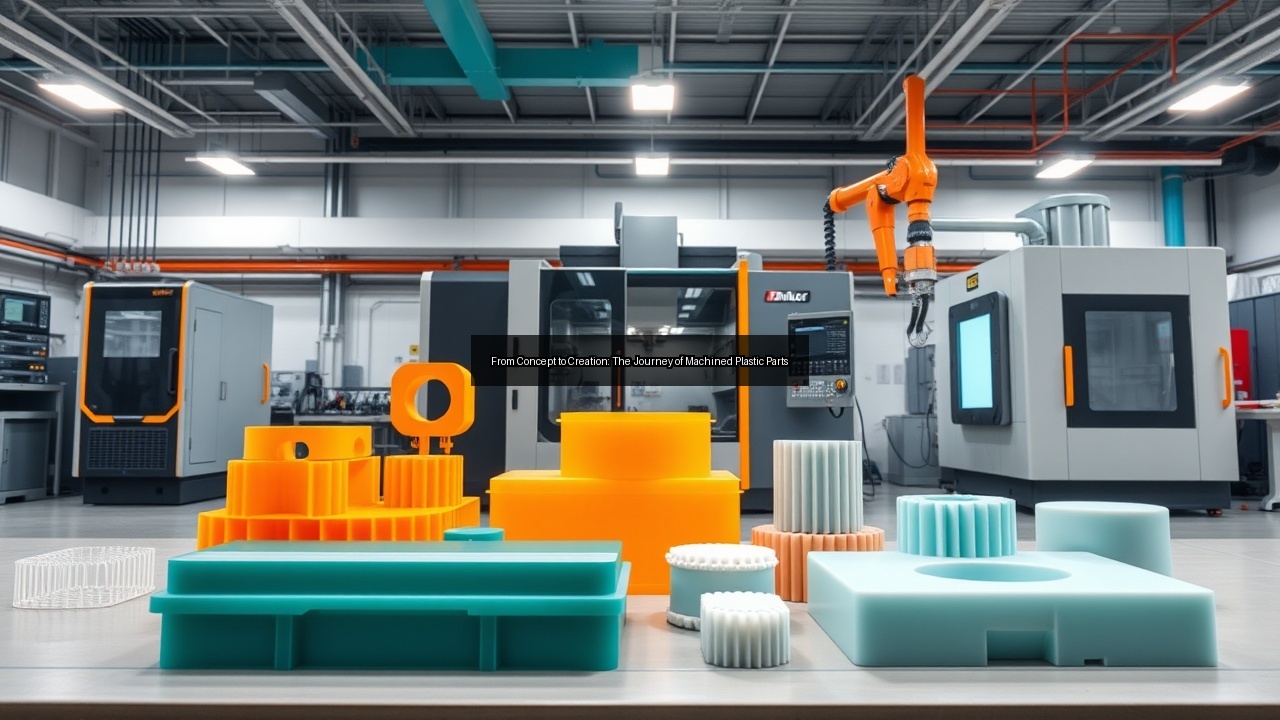
Understanding Machined Plastic Components
The Role of Engineering Plastics in CNC Machining
Engineering plastics play a crucial role in the realm of CNC machining. These advanced materials offer superior mechanical properties that traditional plastics often lack. Their ability to withstand high temperatures, resist chemicals, and endure mechanical stress makes them ideal for precision applications. Manufacturers frequently turn to engineering plastics like polycarbonate, nylon, and acetal for their durability and versatility. These materials not only enhance the performance of machined plastic components but also contribute to the overall efficiency of the production process. When selecting the right material for a project, understanding the specific characteristics of engineering plastics proves essential for achieving the desired outcome in both functionality and longevity.
Types of Machined Plastics and Their Applications
Numerous types of machined plastics cater to a wide array of applications across various industries. Commonly used materials include acrylic, polycarbonate, and PEEK, each possessing unique properties tailored for specific functions. Acrylic, for instance, offers exceptional clarity and is often used in display cases and lighting applications. Polycarbonate, known for its impact resistance, finds uses in safety goggles and electronic housings. On the other hand, PEEK delivers outstanding chemical resistance and is favored in aerospace and medical devices. The versatility of these plastic machined components allows manufacturers to innovate and create products that meet stringent performance standards, driving advancements in technology and design.
Advantages of CNC Machined Plastic Parts
CNC machined plastic parts offer a myriad of advantages, making them a popular choice in manufacturing. One primary benefit lies in their precision. CNC machinery can execute intricate designs with exacting tolerances, ensuring that each component meets stringent specifications. Additionally, the efficiency of the CNC machining process reduces waste material, leading to lower production costs and a more sustainable approach to plastic fabrication. Machined plastics also weigh less than metal alternatives, making them ideal for applications where weight reduction is crucial. Furthermore, the ability to create complex geometries with minimal tooling enhances design flexibility, allowing companies to adapt quickly to market demands or customize products for specific client needs.
The CNC Machining Process
Overview of CNC Machinery and Its Functionality
CNC machinery serves as the backbone of modern manufacturing, particularly in the realm of machined plastic components. These machines leverage computer programming to automate the machining process, resulting in high precision and repeatability. CNC routers, lathes, and mills can manipulate various engineering plastics with ease, cutting, drilling, and shaping materials into desired forms. The integration of computer-aided design (CAD) software streamlines the transition from digital design to physical product, allowing for rapid prototyping and adjustments. The versatility of CNC machinery enables manufacturers to create everything from small components to large assemblies, all while maintaining a high standard of quality and performance.
Step-by-Step Process of CNC Machining for Plastics
The process of CNC machining for plastics involves several critical steps, each contributing to the overall success of the project. First, engineers create a detailed CAD model of the component, incorporating necessary specifications and dimensions. Next, this design is translated into a format compatible with the CNC machine. Once the machine is set up with the correct tooling and material, the actual machining process begins. The CNC machine executes the programmed instructions, cutting or shaping the plastic accordingly. After machining, components often undergo quality control checks to ensure they meet tolerances. Finally, post-processing steps, such as surface finishing or treatment, may be performed to enhance the component's aesthetic appeal or functional performance.
The Importance of Specifications, Dimensions, and Tolerances
Specifications, dimensions, and tolerances hold paramount importance in the CNC machining process. They dictate the quality and functionality of machined plastic parts. Accurate specifications ensure that the final product aligns with design intentions, while precise dimensions guarantee that components fit together seamlessly in their intended assembly. Tolerances, which define the allowable variations in dimensions, are crucial for ensuring that parts perform effectively under operational conditions. In industries such as aerospace, automotive, and medical, adherence to stringent tolerances can mean the difference between success and failure. Therefore, meticulous attention to these details is essential for companies aiming to deliver high-quality machined plastic components.
From Design to Production: The Journey of Machined Plastic Parts
Initial Design Considerations in Plastic Fabrication
The journey of machined plastic parts begins with thoughtful initial design considerations. Designers must evaluate the intended use of the component, selecting appropriate materials that will provide the necessary performance characteristics. Factors such as load-bearing capacity, environmental conditions, and aesthetic requirements influence material choice. plastic cnc machined components Additionally, designers must consider manufacturing constraints, ensuring that the design is feasible for CNC machining. This stage often involves collaboration between engineers and machinists to refine the design, aiming for an optimal balance between functionality and manufacturability. By addressing these considerations early, companies can streamline production and minimize costly revisions later in the process.
The Role of the Machinist in Creating Precision Components
Machinists play a vital role in the creation of precision components. Their expertise ensures that the CNC machining process is executed flawlessly, transforming digital designs into tangible products. Skilled machinists understand the intricacies of CNC machinery and how to adjust settings for different plastics, optimizing cutting speeds and feed rates to achieve the best results. They also conduct regular maintenance on machines, ensuring consistent performance and minimizing downtime. Furthermore, machinists rely on their hands-on experience to identify potential issues during production, allowing for immediate adjustments. This level of craftsmanship and attention to detail is essential for producing high-quality machined plastic components that meet industry standards.
Batch Production vs. Custom Orders: What to Choose?
Choosing between batch production and custom orders often depends on the specific needs of the project. Batch production allows companies to produce large quantities of the same component efficiently, taking advantage of economies of scale. This approach suits industries with high demand for standard parts. Conversely, custom orders cater to unique specifications, allowing for tailored solutions that address specific client requirements. While custom machining may require longer lead times and higher costs, it provides the flexibility to innovate and create specialized components. Companies must weigh the advantages of both approaches to determine the best strategy for their production needs and market demands.
Enhancing Machined Plastic Components
Surface Finishing Techniques for Improved Aesthetics
Surface finishing techniques play a crucial role in enhancing the aesthetics of machined plastic components. These techniques improve the appearance of parts, making them more visually appealing and suitable for consumer-facing products. Common surface finishing methods include sanding, polishing, and painting. Sanding smooths out imperfections, while polishing adds shine, giving components a professional look. Painting allows for color customization, helping products stand out in competitive markets. Surface finishing not only enhances aesthetics but can also impact functionality, as smoother surfaces often reduce friction and improve performance. Manufacturers must carefully consider finishing options to meet both aesthetic and functional requirements in their machined plastic parts.
Surface Treatment Methods for Enhanced Durability
Surface treatment methods significantly enhance the durability of machined plastic components. Techniques such as coating, plasma treatment, and chemical etching improve resistance to wear, abrasion, and environmental factors. Coatings, for instance, can provide additional protection against UV rays, moisture, and chemicals, extending the lifespan of the part. Plasma treatment modifies the surface at a molecular level, improving adhesion for inks and adhesives, which is particularly important for components that undergo further processing. By investing in surface treatment, manufacturers can ensure that their machined plastics withstand demanding applications and maintain performance over time, ultimately reducing replacement costs and enhancing customer satisfaction.
The Future of Technology in Machined Plastics: Robotics and Automation
The future of technology in machined plastics leans heavily towards robotics and automation. As industries seek to enhance efficiency and reduce costs, plastic cnc machined components the integration of robotics into the CNC machining process becomes increasingly prevalent. Automated systems can handle repetitive tasks with precision, minimizing human error and increasing production speed. Robotics also facilitate the handling of complex designs, enabling manufacturers to explore new frontiers in plastic fabrication. Furthermore, advancements in AI and machine learning will likely optimize machining processes, allowing for real-time adjustments based on performance data. These technological innovations promise to revolutionize the production of machined plastic components, paving the way for smarter, more efficient manufacturing processes.